
Student Life
Building a Support Network While Studying Funeral Service
Practical ways mortuary science students can find mentors, coordinate with classmates and use campus support resources.
Guidance on mortuary science education and professional preparation.
Practical ways mortuary science students can find mentors, coordinate with classmates and use campus support resources.

A practical guide to organizing coursework, lab preparation, commuting, rest and study time while training for funeral service.

A practical guide to studying mortuary science while making time for movies, casual games, online communities, rest, and everyday student life.

A one-year preparation roadmap for adults exploring a funeral service career, from job shadowing and state licensing to program choice and finances.
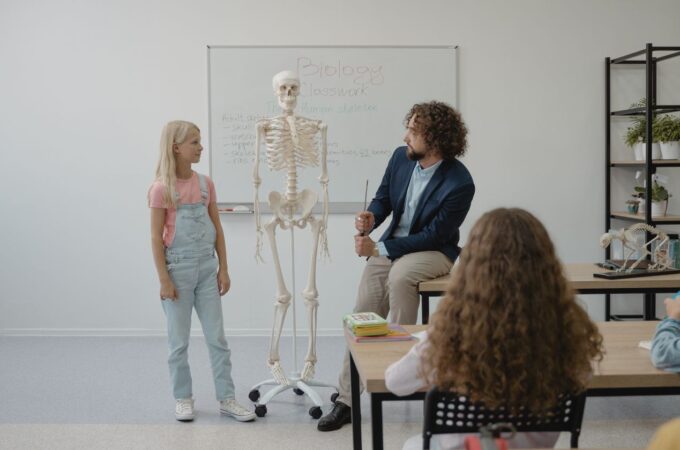
A practical guide to embalming practicum expectations, supervisor questions, professional conduct, safety, documentation and licensure boundaries.

Learn how to compare accredited mortuary science programs across states, including license eligibility, training, cost, delivery format and relocation risks.

Use a consistent checklist when comparing programs so an attractive website or a promotional ranking does not become your only evidence.

Embalmers and funeral directors may work together in the same organization, but their typical responsibilities and legal credentials are not identical everywhere.

Pay depends on the role, region, and experience. Compare official occupation categories rather than repeating old salary figures from unrelated jobs articles.
The National Board Examination is part of the licensing pathway in many jurisdictions, but states determine whether and how it is used.
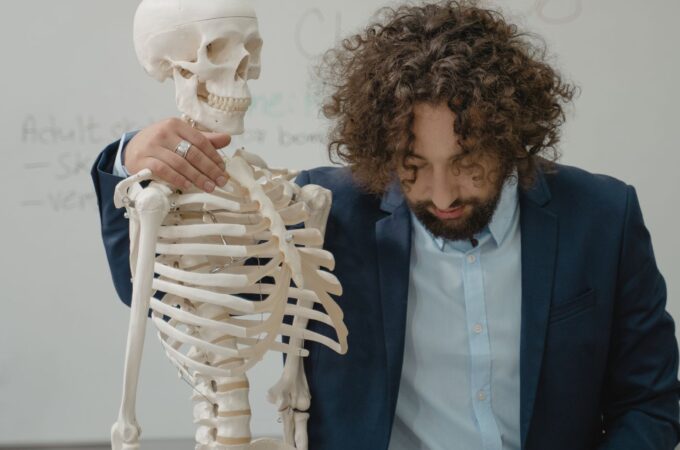
Supervised work is often a formal part of qualifying for funeral service licensure. The key is making sure the experience counts in the…

Funeral directors coordinate services, paperwork, transportation, and meaningful arrangements with families. Their licensing path varies across the United States.
Online coursework can increase flexibility, but it cannot be assumed to replace all required practical mortuary science training.
A mortuary science curriculum combines technical preparation, professional ethics, law, communication, and business topics.
Accreditation is an important quality and eligibility signal, but it should be checked directly—not inferred from a school name or marketing badge.

Compare mortuary science schools by accreditation, curriculum, practical training, and their fit with your target state—not by a promotional ranking alone.
Becoming a mortician typically combines classroom education, supervised experience, and state approval. The exact sequence depends on where you plan to practice.
Embalmers prepare human remains for viewing or other authorized funeral arrangements. Learn what the work involves, how training typically works, and why state…