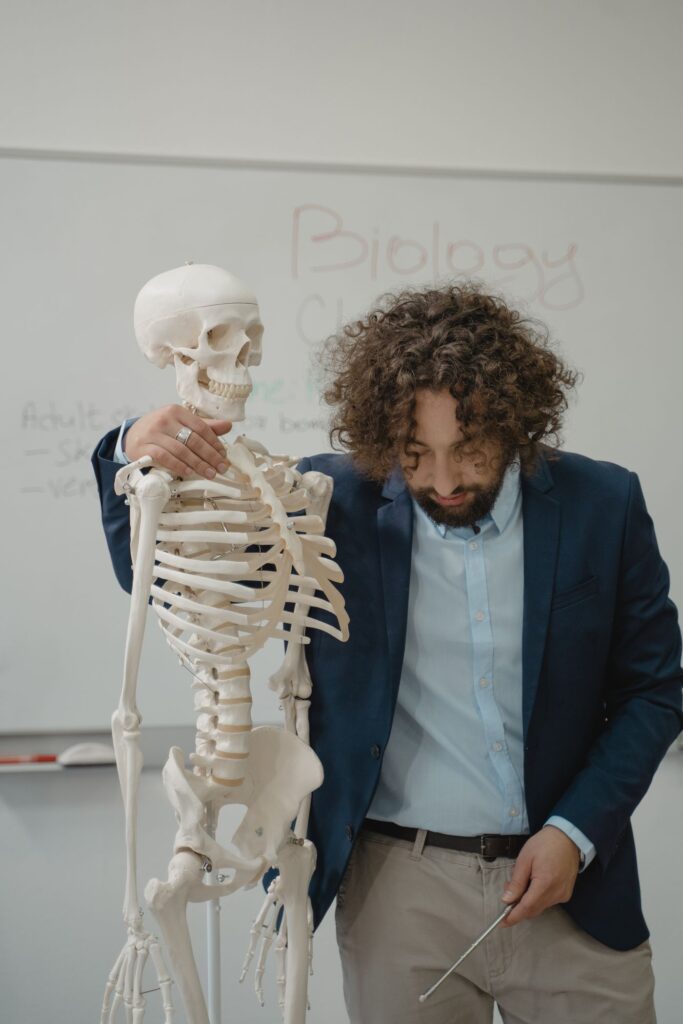
A mortuary science curriculum combines technical preparation, professional ethics, law, communication, and business topics.
Scientific and technical subjects
Programs commonly teach anatomy, chemistry, microbiology, embalming theory, and restorative art. Those subjects support safe, lawful care of human remains and prepare students for supervised practice.
Practical requirements may include demonstrations, labs, and documented experience. Ask how the school assesses hands-on competency, not just online coursework.
Working with families
Funeral professionals communicate with people in grief, explain options, organize services, and manage detailed documents. Ethics, psychology, and grief counseling help students develop professional judgment.
The role also demands careful listening, punctuality, cultural sensitivity, and confidence when describing choices without pressuring families.
Business and legal learning
Funeral service involves records, regulations, consumer disclosures, scheduling, and day-to-day business administration. State law may add rules about handling remains, facilities, registration, and professional conduct.
Ask each program how it teaches state-specific laws and prepares students for applicable professional examinations.
Degrees and career outcomes
An associate degree is a common entry pathway, while some schools offer a bachelor’s degree. The best choice depends on requirements where you plan to practice and your longer-term goals.
Do not assume a degree alone qualifies you to work independently; licensing and supervised training may still be required.