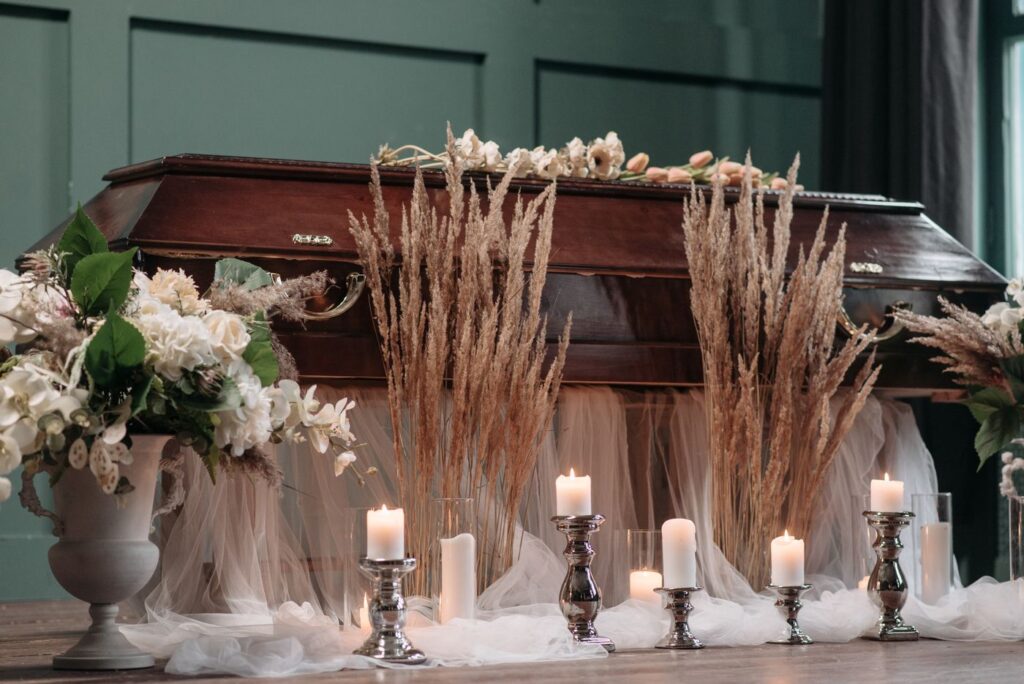
Funeral directors coordinate services, paperwork, transportation, and meaningful arrangements with families. Their licensing path varies across the United States.
What funeral directors do
Funeral directors help families plan funerals and memorials, manage logistics, communicate with service providers, and handle required forms. Some also perform care of the deceased, depending on licenses and workplace arrangements.
Expect detailed scheduling, recordkeeping, and communication. Many employers operate beyond standard office hours, and urgent arrangements may be needed.
Education and preparation
The BLS describes an associate degree in funeral service or mortuary science as typical preparation. Coursework can include professional ethics, funeral service, business, law, and grief counseling.
Graduates may need supervised training and examinations. Confirm the necessary license with the relevant state board rather than relying on a generic national checklist.
Personal qualities and job realities
Listening carefully, communicating respectfully, and managing multiple deadlines are essential. Technical competence matters, but the family’s circumstances and cultural preferences must guide decisions.
A prospective student should speak with employers about schedules, training, and work-life implications before choosing a program.
Related career paths
Embalmer roles emphasize technical preparation of remains; funeral home managers oversee operations. Some professionals hold multiple credentials and perform a combination of tasks.
Check whether the credential offered by a school aligns with the specific job activities you want to perform.