
Student Resources
National Board Examination Guide for Funeral Service Students
The National Board Examination is part of the licensing pathway in many jurisdictions, but states determine whether and how it is used.
Explore the full collection of mortuary science education, licensing, and career guides.
The National Board Examination is part of the licensing pathway in many jurisdictions, but states determine whether and how it is used.
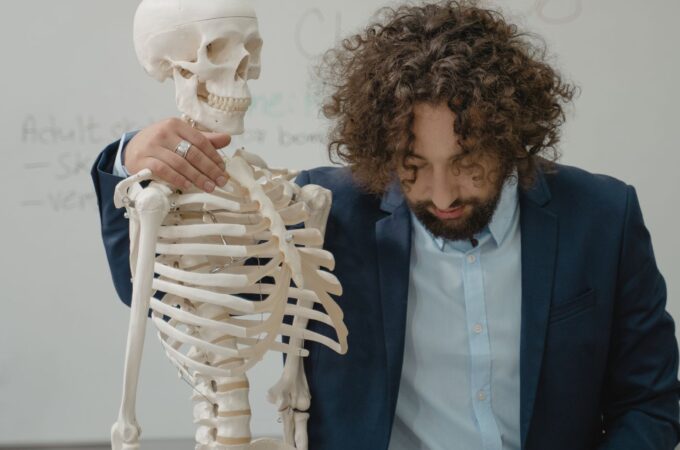
Supervised work is often a formal part of qualifying for funeral service licensure. The key is making sure the experience counts in the…

Funeral directors coordinate services, paperwork, transportation, and meaningful arrangements with families. Their licensing path varies across the United States.
Online coursework can increase flexibility, but it cannot be assumed to replace all required practical mortuary science training.
A mortuary science curriculum combines technical preparation, professional ethics, law, communication, and business topics.
Accreditation is an important quality and eligibility signal, but it should be checked directly—not inferred from a school name or marketing badge.

Compare mortuary science schools by accreditation, curriculum, practical training, and their fit with your target state—not by a promotional ranking alone.
Becoming a mortician typically combines classroom education, supervised experience, and state approval. The exact sequence depends on where you plan to practice.

Embalmers prepare human remains for viewing or other authorized funeral arrangements. Learn what the work involves, how training typically works, and why state…